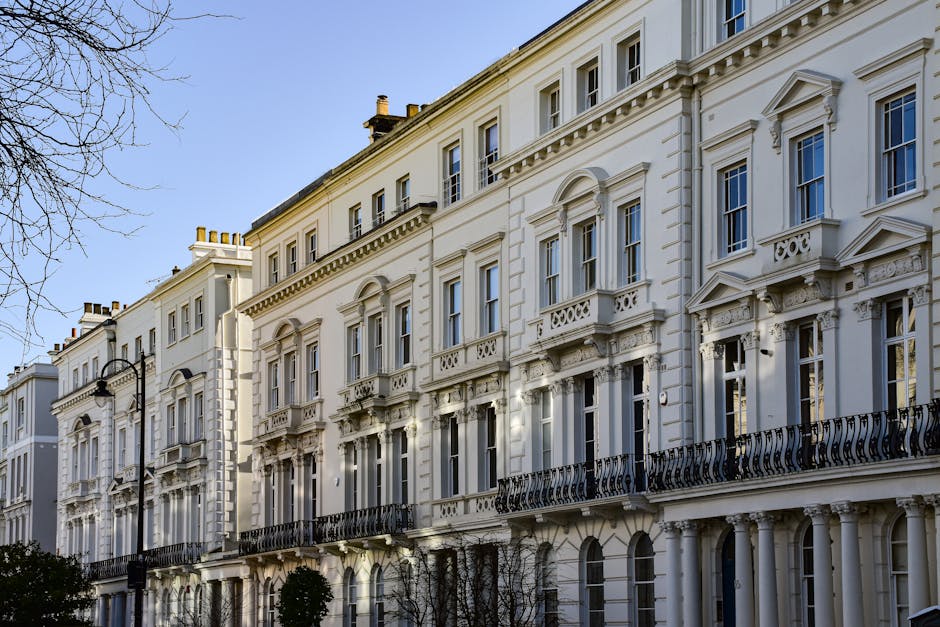
Cornwall Terrace Move: Protecting Period Features in W2
Posted on 18/06/2026
Moving into or out of a period property around Cornwall Terrace in W2 is not a normal straight-tidy removals job. The staircase may be elegant but narrow, the banister may be older than everyone on the crew, and one careless knock can leave a mark you will notice every single time you walk past it. That is why a Cornwall Terrace move needs a different mindset: protect the features first, move the furniture second. In this guide, you will find a practical, local, and realistic approach to protecting cornices, sash windows, floorboards, marble surrounds, decorative ironwork, and all the other details that make these homes special.
We will look at what makes these moves different, how to plan them properly, which risks matter most, and how to avoid the kind of mistakes that are easy to make when everyone is rushing. If you are also comparing removal options in the wider Paddington area, you may find it useful to browse local removals support in Paddington or read more about careful furniture removals before you decide how to handle the move.
Expert summary: period homes are forgiving in some ways and unforgiving in others. The safest move is usually the one that is planned slowly, measured twice, padded generously, and carried with patience. That sounds simple. It rarely is, but it works.
Why Cornwall Terrace Move: Protecting Period Features in W2 Matters
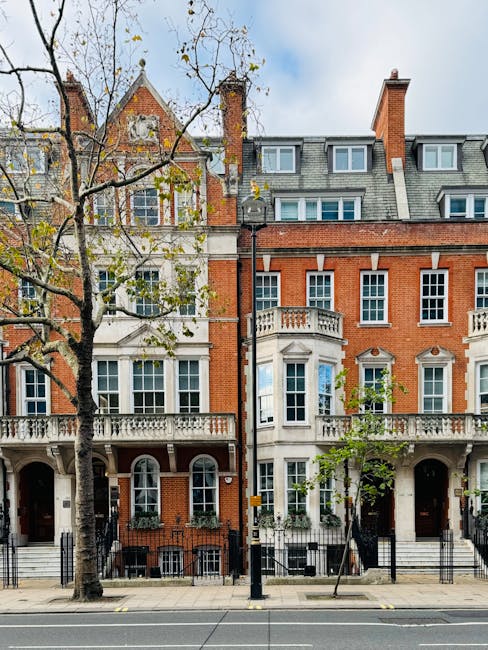
Cornwall Terrace and the surrounding W2 streets are known for elegant London architecture, which is exactly why moving here can feel a little high-stakes. Period features are not just decorative extras. They are part of the home's character, and once damaged, repairs can be awkward, expensive, and never quite the same. A chipped stair nosing, scuffed dado rail, cracked plaster edge, or dent in a panelled door can change the feel of a room immediately. To be fair, you do not always notice the damage on the day. You notice it later, when the place finally goes quiet and the light falls across the wall.
That is why the right approach is less about "getting it done fast" and more about controlling the movement path. In these buildings, the biggest risks are usually the boring ones: awkward turns, tight landings, low door frames, and furniture that is just a bit too large to be casual about. If you are moving from a flat or maisonette, it can help to understand the practical side of flat removals in Paddington, especially where communal halls, shared stairs, and heritage features all meet in one place.
There is also a wider value to protecting these details. A well-handled move reduces stress, helps preserve property value, and avoids friction with landlords, neighbours, or managing agents. Let's face it: nobody wants the first memory of a new home to be a white scuff on a cream wall.
For many people, the move matters most because the building itself matters. That is the real point.
How Cornwall Terrace Move: Protecting Period Features in W2 Works
The process is simple in theory and methodical in practice. A period-safe move starts before the van arrives. It begins with a walk-through, a few measurements, and a very honest look at the route from front door to loading point. If something seems tight, it probably is. If something looks too narrow, it probably is too narrow.
Good period-feature protection usually follows four stages:
- Survey the route. Check stairs, lifts, hall turns, ceiling heights, and door widths. This is where surprises are found, ideally before the sofa is halfway up a landing.
- Protect the surfaces. Use padded covers, corner protection, floor runners, and wrapping suitable for antiques, polished wood, painted trim, and glass.
- Move with smaller loads. Breaking the job into manageable pieces is slower, but safer. One bulky carry at a time beats one risky attempt.
- Re-check on arrival. Once each item is placed, inspect the route and the item itself for rubbing, scratches, or loose fittings.
In period homes, the protection plan should be built around the property rather than around the van. That is an important shift. You are not just moving objects. You are navigating a building with history in its bones. If access is awkward, it can be useful to read a practical guide like navigating narrow access in Paddington because many of the same principles apply, even if the street name changes.
One small but useful habit: assign one person to watch corners and fragile trim during the carry. It sounds obvious. It isn't always done. And honestly, that one extra pair of eyes can save a lot of trouble.
Key Benefits and Practical Advantages
Protecting period features during a move is not just about aesthetics. There are very practical benefits, and they show up quickly when the move is finished.
- Less repair work after moving day. Fewer scratches, dents, and chips means fewer follow-up jobs and fewer costs.
- Better handling of valuable items. Antique furniture, artwork, mirrors, and musical instruments usually need a gentler touch.
- Reduced risk of disputes. Clear protection and careful handling make handover conversations easier if anyone questions damage later.
- Calmer moving day. When the route is planned well, people stop guessing and start working. That alone changes the mood.
- Preservation of character. Period features are part of why the property feels special in the first place.
There is also a less obvious benefit: a well-managed move tends to feel more respectful. You can hear it in the way people lower their voices in a hallway, or the way they pause before carrying a wardrobe through a doorway with original moulding. It creates a quieter, more considered pace. And that matters.
If you are comparing support services, the broader range of removal services in Paddington can help you decide whether you need a full-team move, a man and van setup, or something more tailored for delicate items.
Who This Is For and When It Makes Sense
This kind of move is for anyone dealing with a home where original details need more care than a standard modern property. That includes private owners, tenants, landlords, estate managers, and people moving a mix of everyday belongings and heirloom pieces. It is especially sensible if your home has narrow stairs, original plasterwork, timber floors, delicate joinery, or long internal corridors that increase the chance of accidental contact.
It also makes sense when the moving load includes awkward items such as pianos, large wardrobes, sideboards, or old dining tables with vulnerable legs. In those cases, specialist handling is not a luxury. It is the sensible thing to do. If a piano is involved, for example, a dedicated piano removals service is far safer than hoping four strong people and good intentions will be enough. Usually they are not.
Here is when you should be especially careful:
- the building is listed or likely to have heritage-style detailing
- there are narrow internal turns or steep stairs
- you need to move in or out during busy hours
- the furniture includes antiques, artwork, or polished surfaces
- you are coordinating with a managing agent or landlord
- the move must happen quickly but still cleanly
People moving into a first London flat often underestimate this. Students and young professionals, in particular, are used to fast, practical moves. But in a place with period features, speed has to be balanced with care. A little planning goes a very long way. For lighter or smaller moves, student removals in Paddington may still be a good fit, provided the team understands the property constraints.
Step-by-Step Guidance
If you want a move that protects period features properly, follow a sequence rather than improvising on the day. Improvisation has its place, but not on polished stairs with a high-value console table in your hands.
1. Inspect the property carefully
Start with the entry points, then the stairs, then the rooms. Look for raised thresholds, protruding radiators, narrow landings, low light fixtures, and wall corners that sit right where a sofa needs to turn. Note anything fragile, loose, or already marked. Existing damage should be recorded before moving begins. That simple step prevents confusion later.
2. Measure the awkward items
Measure the furniture and the route. Width, height, depth, and diagonal clearance matter. A wardrobe that fits in a room may still fail the landing turn. A table that looks slim in the kitchen can become unwieldy once its legs are exposed and the hallway narrows. Measure twice. Then do it once more if the item is expensive.
3. Prepare protection materials
Use blankets, quilted wraps, edge guards, floor protectors, and tape that will not strip paint or lift finish. For period homes, breathable coverings can be preferable on wood and furniture, because they reduce the chance of trapped moisture. If you are not sure what to use where, the safest answer is usually: gentler than you think, but still secure.
4. Clear and protect the route
Move rugs, stands, lamps, and temporary clutter out of the path. Protect floors before anything heavy moves. In many period properties, the floor is one of the first things that gets damaged and one of the hardest to make look right again. A good route is calm, uncluttered, and obvious at a glance.
5. Move room by room
Do not mix the route up with multiple crews carrying different items at once. It becomes noisy, rushed, and a bit chaotic. Room-by-room handling keeps responsibility clear. It also helps if one person is managing the door, another is guiding at corners, and another is calling out hazards. Simple. Not easy, but simple.
6. Set items down with checks
When each piece arrives, place it gently and check for marks on both the item and the route used. If something feels loose, tighten it before moving again. If something has rubbed, stop and adjust the protection before the next carry. This is where patience pays off.
7. Finish with a final walk-through
Before the team leaves, inspect skirting boards, bannisters, floors, and any ornate features that sit close to the moving path. A few minutes here can avoid days of regret later.
Expert Tips for Better Results
There are a few little habits that make a period-feature move noticeably smoother.
- Use the smallest practical team size for the item. Too many people around one piece can create more bumps than support.
- Remove detachable parts in advance. Table legs, mirrors, shelf inserts, and handles often create the most accidental damage.
- Protect corners twice. Corners are the danger points, especially on stair turns and landings.
- Label fragile or heritage-sensitive areas. A simple note on the route can change behaviour immediately.
- Keep one person focused on the building, not just the furniture. Buildings are what get forgotten in a hurry.
Here is a small real-world observation: people often over-focus on the largest item and under-focus on the smallest detail. A heavy chest is obvious. A tiny stone sill, a peeling edge of paint, or an old brass plate at shoulder height is less obvious and more likely to be clipped. Strange, but true.
If your move also involves quick turnarounds or access pressure, it can help to compare with same-day removals in W2, because the time-management lessons there apply well to heritage-style homes too.
Common Mistakes to Avoid
Most damage during period-property moves comes from a short list of avoidable mistakes. The good news? They are avoidable, even if moving day feels a bit frantic.
- Rushing the first carry. The first item sets the tone. If that goes wrong, the whole day becomes tense.
- Using bare hands on polished surfaces. Oils, pressure, and accidental scraping can leave marks fast.
- Ignoring the staircase geometry. Many people focus on room size and forget the route between rooms.
- Leaning items against fragile trim. A quick rest becomes a dent. Then a scuff. Then a repair job.
- Not checking old damage first. Without a record, everyone loses clarity.
- Choosing packaging that is too thin. Thin wrap saves pennies and costs more later. Usually.
Another mistake is treating all furniture the same. A modern flat-pack bookcase and a Georgian sideboard do not deserve the same handling. Not remotely. And if there is a large sofa involved, some households find it helpful to review house removals in Paddington as a way to understand how full-home moves can be organised around fragile interiors.
Small oversight, big consequence. That is the pattern to watch for.
Tools, Resources and Recommendations
You do not need a van full of specialist equipment to protect period features well, but the right basics matter more than people expect.
| Tool or material | Why it helps | Best use |
|---|---|---|
| Quilted furniture blankets | Soft protection for edges and polished surfaces | Cabinets, wardrobes, tables, mirrors |
| Floor runners | Helps protect timber, tile, and hallways from scuffs | Entry paths and stairs |
| Corner guards | Reduces impact on skirting, walls, and furniture edges | Tight turns and landings |
| Bubble wrap or paper wrap | Useful for smaller fragile items | Ornaments, lamps, fixtures |
| Stretch wrap | Keeps coverings in place during transport | Upright furniture and grouped items |
| Labels and markers | Helps teams move in the right order | Fragile items, route warnings, unpacking |
For most W2 moves, the strongest practical recommendation is to combine good packing with the right vehicle size and a crew that is used to careful handling. If you are weighing up your options, the wider services overview is a helpful starting point, and you may also want to read about packing and boxes in Paddington if you want to reduce last-minute scrambling.
Storage can also help when the property is difficult to move through in one go, or when refurbishment timing and move timing do not line up neatly. In those cases, temporary staging is often far better than forcing everything through at once. Sometimes the calm option is the smart option.
Law, Compliance, Standards, or Best Practice
For period homes, compliance is not only about the move itself. It is also about respecting the property, the people in it, and the building rules around it. If the building has a managing agent, landlord, or residents' requirements, those should be checked early. Access windows, lift booking rules, parking arrangements, and communal area protection may all affect the move.
Where safety is concerned, movers should work in line with sensible manual-handling practice, use appropriate lifting methods, and avoid overloading anyone beyond what is reasonable. If an item is too large, awkward, or fragile, the answer is usually to plan better rather than to improvise harder. That is just common sense, really.
Insurance matters too. It is worth confirming what is covered for goods in transit, handling, and accidental damage. You should also understand the conditions attached to any removal booking, including timing, access, cancellations, and item declarations. If you want a clearer sense of how a company frames these responsibilities, the pages on insurance and safety and terms and conditions are relevant reading.
Environmental care is another practical standard. Reusing packing materials where appropriate, recycling responsibly, and reducing waste all fit naturally with a thoughtful period-property move. That fits especially well in homes where longevity already matters. A room that has lasted for decades deserves a move that is just as considered.
Options, Methods, or Comparison Table
There is no single right way to manage a Cornwall Terrace move. The best method depends on the property, the items, and the level of protection needed.
| Method | Best for | Pros | Trade-offs |
|---|---|---|---|
| Full-service removals | Large homes, valuable furniture, complex access | Less stress, more control, better coordination | Usually costs more than a basic option |
| Man and van | Smaller moves, lighter loads, quick local transfers | Flexible, practical, often cost-effective | Less suitable for highly delicate or bulky items unless well planned |
| Specialist item handling | Pianos, antiques, oversized pieces | Tailored protection, reduced risk to the item and the property | May require extra planning and separate scheduling |
| Staged move with storage | Refurbishment overlap, tight access, phased relocation | Less congestion, more breathing room | Needs more coordination and potentially more time |
For many period homes, a blended approach works best. That might mean a careful main move plus specialist help for one or two difficult items. The goal is not to make the process fancy. It is to make it safe.
If you are unsure which route fits, you can explore man and van services in Paddington or compare them with man with van support depending on how much you need shifted and how fragile the property is.
Case Study or Real-World Example
Picture a second-floor move in a terrace property where the hallway has decorative moulding, the staircase turns tightly at the midpoint, and the living room contains a heavy sideboard with a polished top. The owners want to move on a weekday morning, partly to avoid disruption, partly because the building is busy later in the day. Nothing dramatic. Just a typical London move with a few pressure points.
The first sensible step is measuring the sideboard and the stair turn properly. That alone may reveal that the piece will need to be lifted vertically for part of the route. The team then protects the stair edges, places floor runners on the landing, and assigns one person to guide the corner and one to watch the wall clearance. The sideboard is wrapped, legs removed, and hardware bagged separately.
On the move out, there is a narrow moment at the top of the stairs where one careless tilt could bruise the plaster. The crew slows down, adjusts grip, and pauses for five seconds. Just five. That is all it takes. The item passes safely, the wall stays clean, and the room still looks as it should when the dust sheet comes off. Boring? Maybe. Successful? Absolutely.
This is why careful removals matter. The best outcome is often invisible. No fresh marks. No stress. No awkward apologies in the doorway.
Practical Checklist
Use this before moving day. It keeps the process grounded when everything else is moving around you.
- Measure all major furniture and the tightest parts of the route
- Record any pre-existing marks or damage
- Protect floors, corners, bannisters, and wall edges
- Use appropriate wrapping for antiques, glass, and polished wood
- Remove loose parts, shelves, handles, and detachable legs
- Confirm access times, parking, and any building restrictions
- Keep fragile items clearly labelled
- Assign one person to watch the route during carries
- Check items and surfaces again after the move
- Set aside a small kit for touch-ups or immediate adjustments
If you want to reduce waste as well as damage, it can be helpful to look at a team's approach to recycling and sustainability. Period homes and sensible reuse tend to go hand in hand, oddly enough.
One last practical reminder: if you are moving valuable or sentimental items, keep a small personal bag with documents, keys, chargers, medications, and anything you would hate to lose in the shuffle. Obvious, yes. Easy to forget. Very easy.
Get a free quote today and see how much you can save.
Conclusion
A Cornwall Terrace move is about more than boxes and vans. It is about treating a character property with the care it deserves, so the mouldings, timber, plasterwork, and finishing details survive the move as beautifully as they were before it. That takes planning, patience, and a willingness to slow down where others might rush. Truth be told, that is usually what saves the day.
If you remember only one thing, make it this: protect the route, protect the surfaces, and protect the timing. Do those three things well and the rest becomes much easier. And when the last item is in place and the old building settles back into silence, you will know the difference. It feels better. It really does.