Westminster Council: Skip Penalties & Road Closure Rules
Posted on 04/07/2026
Westminster Council: Skip Penalties & Road Closure Rules
If you are arranging a skip in Westminster, the process can feel oddly unforgiving. One wrong placement, a missed permit detail, or a road closure that catches you out at the wrong time, and suddenly the job gets expensive fast. This guide on Westminster Council: Skip Penalties & Road Closure Rules explains the practical side of staying compliant, avoiding fines, and planning a waste removal setup that actually works in real London conditions.
Whether you are clearing a flat, managing a refurb, handling an office move, or simply dealing with bulky waste after a long overdue sort-out, Westminster is not the kind of place where you can improvise. Streets are busy, access is tight, and enforcement is taken seriously. The good news? A bit of planning goes a long way. Let's break it down in plain English.
Why Westminster Council: Skip Penalties & Road Closure Rules Matters
Westminster is one of those places where the street itself can become part of the problem. A skip needs space, safe placement, and usually some form of permission if it sits on the public highway. If the street is narrow, time-restricted, or already squeezed by loading activity, you may also need to think about road restrictions or temporary closures. That is where penalties creep in.
The penalties matter because they are rarely just a small inconvenience. A skip placed without the proper permission can create enforcement issues, complaints from neighbours, and delays to your move or project. Road closure rules matter for the same reason: if you block access or ignore local restrictions, you can disrupt traffic, delivery vehicles, emergency access, and residents who are already dealing with a hectic street scene.
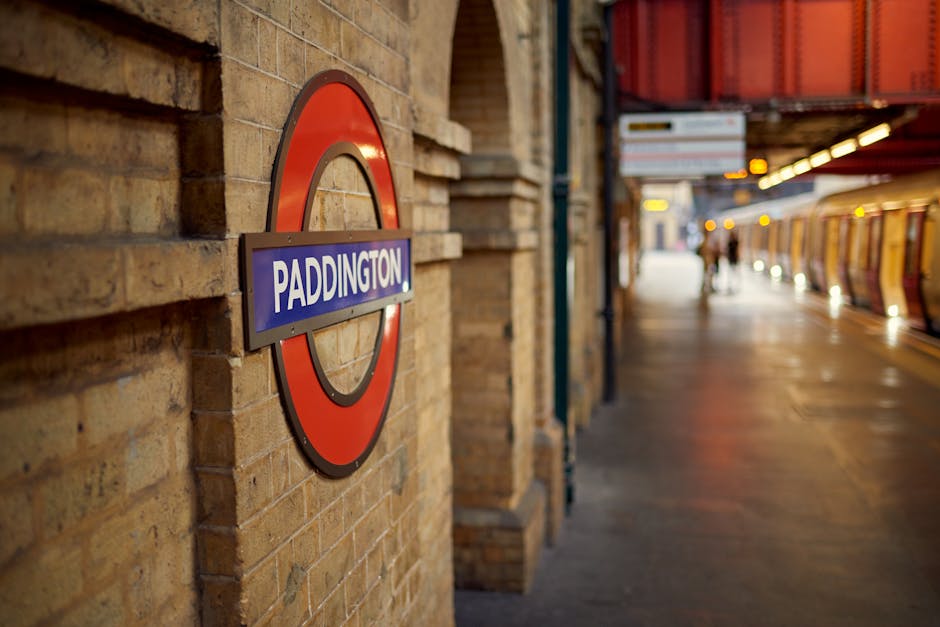
In Paddington and nearby W2 streets, this becomes very real, very quickly. You might be moving from a flat on a road that looks calm at 7 a.m., then by 9 a.m. it is full of vans, cyclists, bins, and someone trying to reverse into a loading bay. It only takes one overlooked detail to turn a simple waste job into a stressful one.
If you are already planning a move in the area, it can help to read related local guidance such as Westminster Council permits for Paddington skips and practical notes on bulky waste removal fees, fines and options. Those pieces sit nicely alongside this topic because they deal with the same real-world headaches.
How Westminster Council: Skip Penalties & Road Closure Rules Works
The basic idea is straightforward: if your skip will sit on private land, your situation is usually simpler. If it needs to go on a public road, pavement, parking bay, or another council-controlled space, permission may be needed. In many London boroughs, and Westminster is no exception in practical terms, the key issue is not the skip itself but where it sits and how it affects the public highway.
Road closure rules become relevant when the skip delivery, collection, or related work needs more space than a normal street can safely provide. That could involve temporary traffic management, timed access, parking suspension, or a planned closure. Not every job needs this, of course. But when access is limited, it is often safer to plan properly than to hope the lorry can "just squeeze in". That phrase has caused more trouble than it should.
Penalties can arise in a few common ways:
- the skip is placed without the correct permission;
- the skip blocks access, sightlines, or pedestrian movement;
- warning lights, reflectors, or safety markings are missing;
- the skip stays longer than allowed;
- traffic or parking conditions change and the original plan is no longer compliant;
- a road closure or restriction is ignored during delivery or collection.
In practice, the best approach is to treat the skip as one part of a wider access plan. The question is not only "can I put it there?" but also "can it be delivered, used, and removed without creating a problem?" That mindset saves a lot of grief.
Key Benefits and Practical Advantages
Staying on top of skip penalties and road closure rules is not just about avoiding trouble. It also makes the whole project feel less chaotic, which, honestly, is a big win in Westminster.
- Fewer delays: Proper planning avoids last-minute stoppages at delivery or collection time.
- Lower risk of extra costs: Penalties, rearrangement charges, and wasted labour can add up.
- Better access for everyone: Residents, trades, emergency vehicles, and delivery drivers all benefit.
- Cleaner site management: A well-placed skip keeps rubbish contained rather than spreading across the pavement.
- Less neighbour friction: Nobody enjoys a skip that lands with a thud and stays in the wrong spot for days.
There is also a quieter benefit: peace of mind. If you know the street plan is sorted, the rest of the job becomes easier to manage. You can focus on boxing items, scheduling labour, or dealing with the inevitable mystery drawer full of cables, chargers, and one random Allen key.
Who This Is For and When It Makes Sense
This topic matters to anyone arranging a waste-heavy project in Westminster, but it is especially relevant if you are dealing with one of these situations:
- moving out of a flat and clearing unwanted furniture;
- renovating a property or refurbishing a kitchen or bathroom;
- running an office clearance or fit-out;
- managing student move-outs or end-of-tenancy clearances;
- disposing of bulky items that will not fit in normal bins;
- working on a street with limited loading space or tight access.
If your project is small, a skip may not even be the best option. A local removal solution, a man and van service, or a pre-arranged bulky waste collection may be simpler. For example, a one-bedroom flat clearance may suit a van-based service better than a full skip setup. On the other hand, if you are clearing rubble, packaging, broken fixtures, and waste from a larger refurb, a skip can be the more efficient choice.
For people moving in tight W2 streets, the access challenge is often as important as the waste itself. Articles like Praed Street moves and narrow access and Bayswater Road furniture delivery challenges are useful because they show how quickly access issues can shape the whole plan.
Step-by-Step Guidance
Here is a simple, practical way to handle the process without making it more complicated than it needs to be.
- Confirm what you are disposing of. A skip is better for mixed waste, heavy items, and renovation debris. For a few bulky household items, another option might be cleaner and cheaper.
- Check where the skip will sit. Private property is usually easier. Public highway placement is where permissions, timing, and safety become central.
- Assess access carefully. Measure the space, look at turning points, and think about delivery vehicle size. Westminster streets can be awkward in a way that looks harmless until a lorry turns up.
- Consider parking and loading pressure. If the road already has heavy demand, you may need additional planning to avoid conflicts.
- Decide whether road control measures are needed. If the job may affect traffic flow or block a lane, speak to the relevant party early rather than trying to sort it on the day.
- Book the right service window. Early mornings often make sense, but only if local conditions allow it. Sometimes later is safer. It depends on the street.
- Prepare the site. Clear a landing zone, protect surfaces where needed, and make sure the team knows where the skip will go.
- Keep communication open. If a neighbour, building manager, or porter has concerns, deal with them before delivery day. Small conversation, big payoff.
One tiny thing that is easy to miss: the skip may be legal to place, but not practical to use if the surrounding space is blocked by parked vehicles or active works. That is why a site visit, even a quick one, is often worth it.
Expert Tips for Better Results
If you want the process to feel smoother, these are the habits that tend to help most.
- Build in a buffer. In Westminster, street conditions change. A loading space that is free this morning can be gone by lunchtime.
- Use a single point of responsibility. Someone should own the plan, track timings, and check the access details.
- Choose the right waste route. A skip is not automatically the best answer. Sometimes a phased removal plan is more practical.
- Protect neighbours from avoidable disruption. A polite notice, quiet handling, and tidy placement go a long way.
- Think about the collection as well as the drop-off. A lot of people plan the arrival and forget the exit. Then collection day becomes awkward.
In our experience, the jobs that go best are the ones where people plan like a local, not like a brochure. Roads are real, traffic is messy, and permission windows can be tighter than you hoped. Nothing dramatic. Just London doing London things.
If your move includes boxes, furniture, and waste together, it can be sensible to compare your waste plan with moving support such as flat removals in Paddington or broader removal services in Paddington. That way the waste and the move do not fight each other for space.

Common Mistakes to Avoid
Most problems come from rushing. A few common slip-ups show up again and again.
- Assuming the skip can sit anywhere. Private land and public highway are very different situations.
- Ignoring narrow access. If the delivery vehicle cannot safely reach the spot, the whole plan starts wobbling.
- Forgetting road restrictions. A timed closure, parking suspension, or access limitation can affect your delivery window.
- Leaving waste out before the skip arrives. That can create hazards and complaints.
- Underestimating how long loading takes. People often think, "We'll just fill it in an hour." Then the old sofa appears. Then the broken wardrobe. Then the panic.
- Choosing the wrong size or method. Too small means overflow. Too large means unnecessary cost and more street impact.
A final mistake is more subtle: not planning for wet weather. A rainy London morning can make surfaces slippery, slow down loading, and turn a tidy setup into a muddy one very quickly. It sounds minor until you are there in it.
Tools, Resources and Recommendations
You do not need a complicated toolkit, but a few practical items and checks make the process much easier.
- Measuring tape: useful for checking vehicle access, pavement width, and skip placement space.
- Site photos: take pictures of the road, kerb, and any obstacles before confirming the plan.
- Simple written schedule: note delivery, loading, collection, and any road restriction windows.
- Protected flooring or mats: helpful if waste moves through common areas or polished entrances.
- Clear labelling: separate keep, donate, recycle, and dispose items before the work begins.
For a broader understanding of planning around local access and logistics, you may also find same-day removals in W2 useful, especially if your waste job is happening alongside a move. For larger office or commercial clearances, Paddington Basin office removal checklist gives a good sense of how planning discipline reduces stress.
And if you are weighing options, it can help to look at service pages such as man with van Paddington, house removals Paddington, or office removals Paddington. Different jobs need different handling. Simple enough, but easy to overlook when you are in a hurry.
Law, Compliance, Standards, or Best Practice
Because this topic touches street use, access, and possible public highway occupation, it is wise to treat it as a compliance issue, not just a logistics issue. The exact rules can vary depending on the location, the type of street, and the kind of obstruction involved. So the safest advice is to plan with care, check the applicable permission process, and avoid assuming that a past arrangement will still work today.
Good practice usually includes:
- checking whether the skip will sit on private or public land;
- allowing enough time for permissions and scheduling;
- ensuring visibility, safe access, and tidy placement;
- keeping the road usable for pedestrians and vehicles where possible;
- coordinating delivery and collection with any road restrictions or access limitations;
- keeping records of what was agreed and when.
There is also a wider duty of care angle here. If the work creates a hazard, blocks a route, or makes the street unsafe, you should not treat that as a minor detail. It is the sort of thing that starts as a convenience issue and ends as an avoidable complaint. Not worth it.
If your project also involves moving heavy items, breakables, or specialist equipment, it is sensible to think about related standards around handling, insurance, and safe loading. Pages like insurance and safety and health and safety policy are relevant because they reinforce the same overall mindset: plan, protect, and document.
Options, Methods, or Comparison Table
Not every job needs a skip. Sometimes a van-based removal or a phased clearance is the cleaner choice. Here is a simple comparison to help you think clearly.
| Option | Best for | Main advantage | Watch out for |
|---|---|---|---|
| Skip on private land | Refurbs, bulk waste, household clear-outs | Less street impact and simpler placement | Needs enough space and access |
| Skip on public highway | Projects without private frontage | Convenient if managed correctly | May require permission and stricter controls |
| Man and van clearance | Flat moves, mixed household items, lighter clearances | Flexible and often easier in tight streets | May need multiple trips for larger jobs |
| Phased waste removal | Large projects with changing waste streams | Good control over timing and cost | Requires more organisation |
To be fair, the best option is often the one that causes the fewest moving parts on the day. In a place like Westminster, fewer moving parts usually means fewer headaches.
Case Study or Real-World Example
Imagine a small flat clearance near a busy Westminster street. The resident has a sofa, broken shelving, several bags of old clothes, and leftover packaging from a recent move. At first glance, a skip seems easy. But the street has limited waiting space, deliveries arrive throughout the morning, and the building entrance shares pavement access with neighbours.
Instead of dropping a skip immediately, the plan is checked in stages. The team first measures the frontage, then works out whether the waste will fit into a smaller, more flexible clearance route. Because the items are awkward but not heavy rubble, a van-based collection is chosen. The load is done in one clean visit, the entrance stays clear, and nobody has to deal with a skip sitting outside for days.
That small change matters. The resident avoids possible permit issues, the neighbours stay happier, and the waste is gone the same day. Is that always possible? No. But it is a good reminder that the most obvious option is not always the smartest one.
We have seen similar situations around local move and access issues, including studio flat removals on Sussex Gardens and Cornwall Terrace move planning, where timing, access, and care mattered just as much as the physical lifting.
Practical Checklist
Use this before you book or place anything on the street.
- Confirm whether the skip or vehicle will be on private land or public highway.
- Check if the road has loading limits, parking restrictions, or timed access windows.
- Measure the space available for delivery, placement, and safe removal.
- Decide whether a skip, van clearance, or phased waste removal is the best fit.
- Book enough lead time for permissions and operational planning.
- Notify building management or neighbours if the work may affect access.
- Prepare the items for collection before the team arrives.
- Keep pathways and exits clear.
- Confirm who is responsible for loading, timing, and site safety.
- Take photos of the setup before and after, just in case.
That is the practical core of it, really. If you get these steps right, the rest tends to fall into place far more easily.
Get a free quote today and see how much you can save.
Conclusion
Westminster can be a brilliant place to live and work, but it rewards people who plan carefully. Skip penalties and road closure rules are not there to make life awkward for the sake of it; they are there because the street environment is tight, shared, and constantly in use. When you understand the rules and build your plan around access, timing, and safety, the whole process becomes calmer.
Think of it this way: the best waste removal jobs are rarely the loudest or the flashiest. They are the ones that happen cleanly, quietly, and without anyone having to chase fixes at the last minute. A bit of care now saves a lot later. And honestly, that is usually the smart move in Westminster.
If you are planning a move or clearance in the area, it can also help to look at broader local guidance such as removal companies in Paddington, removals Paddington, and pricing and quotes so you can compare the bigger picture before you book.
Take your time, ask the awkward questions, and plan for the street as it really is. That is usually where the difference between a smooth job and a messy one begins.